Rug Pull Explained What It Is How It Works And How To Avoid It
· based on the channel Ecole Nadjm el Maarifa- مدرسة نجم المعرفة
Key takeaways
- Rug pulls are crypto scams involving sudden liquidity withdrawal.
- Solana meme coins are common targets for rug pulls due to easy launch tools.
- Liquidity pools on platforms like Raydium and pump.fun can be manipulated.
- Warning signs include locked liquidity absence and suspicious token authority.
- Perform security checks and research before investing in new tokens.
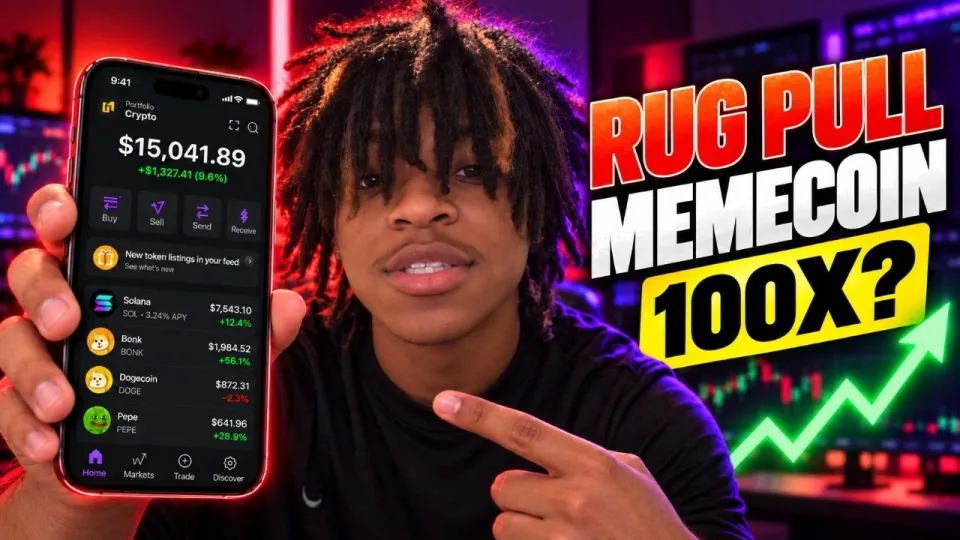
Video: Rug Pull Tutorial | Rug Pull and Launch a Solana Meme Coin 2026
A rug pull is a type of crypto scam where developers or insiders suddenly withdraw liquidity from a token's trading pool, causing its price to crash and leaving investors with worthless tokens. This deceptive practice is especially common in the meme coin niche on blockchains like Solana, where creating and launching tokens is straightforward using platforms such as Coinforge, pump.fun, and Raydium.
What Is a Rug Pull in Crypto
A rug pull occurs when the token creators or liquidity providers remove their funds from the liquidity pool without warning. This leaves other holders unable to sell their tokens at a fair price, effectively stealing their investment. It is a form of exit scam that exploits decentralized exchanges (DEXs) relying on automated market makers (AMMs).
The process involves launching a new token, often a meme coin, adding liquidity (usually in SOL or USDC paired with the token), and then promoting the token to attract buyers. Once enough capital accumulates, the scammers withdraw the liquidity, causing the token price to plummet to near zero.
How Solana Meme Coins Are Created and Launched
Solana offers user-friendly tools to create meme coins without coding experience. Platforms like Coinforge allow developers to generate SPL tokens with customizable supply and authorities. After token creation, liquidity is deployed on decentralized exchanges such as pump.fun and Raydium.
Launching a meme coin typically involves these steps:
- Configure token parameters: supply, mint authority, freeze authority.
- Create the token using a no-code platform.
- Add liquidity to a trading pool on pump.fun or Raydium.
- Promote the token to attract traders and investors.
These steps enable quick launches but also open the door to scams like rug pulls if liquidity and token control are misused.
Common Rug Pull Patterns and Warning Signs
Recognizing rug pulls early can prevent losses. Common red flags include:
- Unlocked or removable liquidity: If liquidity is not locked or locked for a short period, developers can withdraw funds anytime.
- Single wallet controlling mint authority: Allows unlimited token minting, diluting value.
- High token supply with no burn mechanisms: Increases risk of price manipulation.
- Low holder count and large wallet concentration: Suggests centralized control.
- Rapid price pumps without fundamental backing: Often artificially driven by the creators.
Understanding these patterns helps investors avoid falling victim to scams.
How Liquidity and Token Prices Can Be Manipulated
Liquidity pools on AMMs work by locking paired tokens (e.g., SOL and the meme coin) so users can trade. The price is determined by the ratio of tokens in the pool. Scammers can manipulate this by:
- Adding liquidity temporarily: Attracting buyers.
- Removing liquidity suddenly: Causing token price to drop sharply.
- Minting new tokens: Increasing supply and diluting value.
These manipulations exploit the automated pricing mechanism and trader trust.
Essential Security Checks Before Buying New Tokens
Before investing in a new meme coin, perform these security steps:
- Verify liquidity lock status: Use tools or platforms to confirm if liquidity is locked and for how long.
- Check token contract authority: Ensure mint and freeze authorities are renounced or controlled by trusted parties.
- Analyze wallet distribution: Avoid tokens with few holders or whales controlling most supply.
- Research project transparency: Look for clear team information and community engagement.
- Use on-chain analysis tools: Platforms like Dexscreener and Birdeye help inspect token activity and liquidity.
Doing thorough due diligence reduces the risk of falling prey to rug pulls.
Useful Links
- Create your meme coin on Coinforge — token creation and launch platform
Итог
Rug pulls are a prevalent risk in meme coin trading, especially on Solana where token creation and liquidity deployment are easy and often unregulated. Understanding how rug pulls work — from token setup, liquidity manipulation, to sudden exits — is crucial for both developers and investors. Performing security checks such as verifying liquidity locks and token authority can help avoid scams and protect assets. This article is based on insights from the channel Ecole Nadjm el Maarifa- مدرسة نجم المعرفة, which offers detailed tutorials on Solana meme coins and crypto security. For those interested in launching or researching meme coins safely, visiting Coinforge is a recommended first step.
Source: Rug Pull Tutorial | Rug Pull and Launch a Solana Meme Coin 2026 · Markdown version
Questions & answers
What exactly is a rug pull in cryptocurrency?
A rug pull is a scam where token creators remove liquidity from a trading pool abruptly, causing the token's price to crash and leaving investors with worthless assets.
How can I identify a potential rug pull in a new meme coin?
Look for warning signs such as unlocked liquidity, centralized mint authority, high token supply without burns, few token holders, and rapid unexplained price increases.
Why are Solana meme coins often involved in rug pull scams?
Solana allows easy and fast token creation with platforms like Coinforge and liquidity deployment on pump.fun and Raydium, making it attractive for scammers to launch rug pull schemes.
What security measures should I take before buying a new token?
Verify liquidity is locked, check token contract authorities are renounced or safe, analyze wallet distribution, research the project transparency, and use on-chain analysis tools to assess risks.