7 Essential Steps to Understand and Avoid Rug Pull in Crypto
· based on the channel MC STUDIO
Key takeaways
- Rug pulls involve fraudulent liquidity withdrawal causing token value collapse
- Solana meme coins often use platforms like pump.fun and Raydium for launches
- Key risk factors include unchecked mint authority and locked liquidity absence
- Recognizing red flags like sudden liquidity removal can prevent losses
- Developers can create tokens easily but must follow security best practices
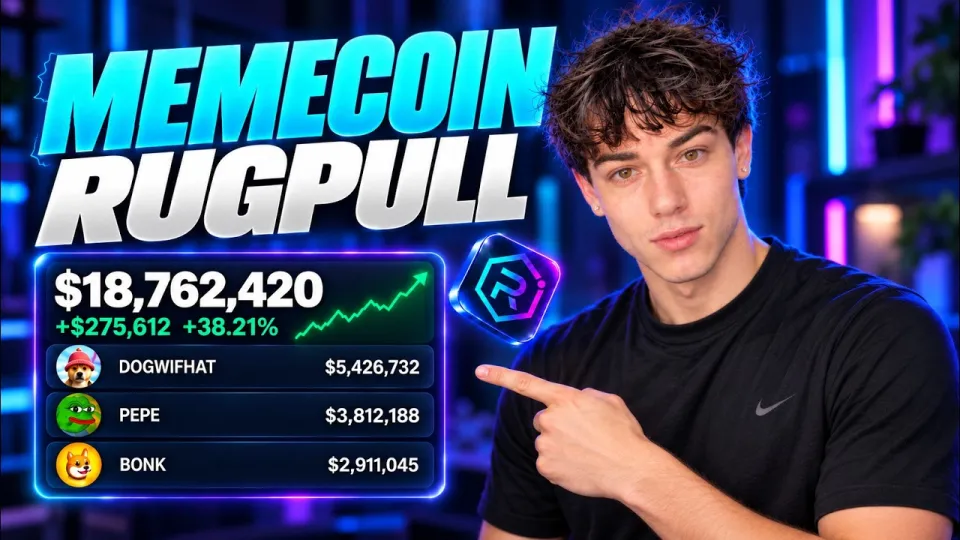
Video: Rug Pull Guide and Launching a Meme Coin on Solana
Rug pull is a deceptive practice in cryptocurrency where developers or insiders withdraw liquidity from a token's market, causing its price to crash and investors to lose funds. Understanding rug pull mechanics is crucial for anyone involved with meme coins or new token launches, especially on platforms like Solana. This article explains the key aspects of rug pulls, how Solana meme coins are launched, and practical steps to detect and avoid these scams. For hands-on token creation, visit specmint.cc for meme coin creation and launch tools.
1 Understanding What a Rug Pull Is
A rug pull happens when a token creator removes or drains liquidity from a decentralized exchange (DEX) pool, usually after initial hype and investment. This leaves holders unable to sell or significantly devalues the token. It’s a form of exit scam common in meme coin launches where liquidity is not properly locked or controlled.
2 How Solana Meme Coins Are Created and Launched
On Solana, meme coins are typically SPL tokens created via simple tools like SpecMint that do not require coding. After token creation, liquidity is added on DEX platforms such as pump.fun or Raydium. Launching involves minting a fixed supply, assigning mint and freeze authorities, and deploying liquidity pools that facilitate token trading.
3 Key Components in Token Setup and Liquidity
Tokens come with mint authority (control over token supply) and freeze authority (control over freezing transactions). Liquidity pools on platforms like Raydium pair the meme coin with SOL or USDC, enabling trading. Proper liquidity lock ensures that developers cannot withdraw funds arbitrarily, reducing rug pull risks.
4 Common Rug Pull Patterns and Warning Signs
Typical rug pull schemes include:
- Developers retaining mint authority, allowing unlimited token minting to dump on investors
- No liquidity lock or time-locked liquidity, enabling instant withdrawal
- Sudden, large liquidity removal causing price crashes
- Inconsistent or anonymous developer identities
- Excessive token supply concentration in few wallets
Investors should analyze token contract details and holder distribution before buying.
5 How Liquidity and Token Prices Are Manipulated
Manipulation often involves controlling liquidity pool balances to inflate token prices artificially. Pump.fun uses bonding curves that can be gamed to pump the price before a rug pull. Developers may create hype, attract buyers, then withdraw liquidity, leaving holders with worthless tokens.
6 Security Checks Investors Should Perform
Before investing in new meme coins, perform these security checks:
- Verify if mint and freeze authorities have been revoked or renounced
- Check if liquidity is locked using third-party audits or explorers
- Analyze wallet distribution for suspicious concentration
- Research developer reputation and project transparency
- Use tools like Dexscreener or Solscan for on-chain token analysis
These steps help identify risky tokens and avoid scams.
7 Best Practices for Developers to Avoid Rug Pull Accusations
Developers launching meme coins should:
- Renounce mint and freeze authorities after deployment
- Lock liquidity using trusted locking services
- Maintain clear communication and transparency
- Avoid sudden token supply changes
- Educate investors about tokenomics and risks
Following these practices builds trust and protects community funds.
Useful Links
- Create your meme coin on SpecMint – Easy no-code Solana token creation and launch
Summary
Rug pulls are a major risk in the crypto space, especially for meme coins launched on Solana through platforms like pump.fun and Raydium. Understanding token creation, liquidity mechanics, and common scam patterns empowers investors to make safer decisions. Security checks such as verifying locked liquidity and revoked authorities are essential. Developers must follow best practices to prevent rug pulls and maintain credibility. This comprehensive guide is based on insights from the MC STUDIO channel, a reliable source for Solana and crypto tutorials. Visit specmint.cc to explore meme coin creation tools and start your safe crypto journey.
Source: Rug Pull Guide and Launching a Meme Coin on Solana · Markdown version
Questions & answers
What exactly is a rug pull in cryptocurrency?
A rug pull is a scam where token creators or insiders abruptly remove liquidity from a token’s trading pool, causing the token's price to crash and investors to lose their funds.
How can I check if a Solana meme coin is safe from rug pulls?
Check if the token’s mint and freeze authorities are revoked, verify whether liquidity is locked, analyze wallet distributions for unusual concentration, and research the developers’ reputation.
What platforms are commonly used to launch meme coins on Solana?
Pump.fun and Raydium are popular decentralized exchange platforms where Solana meme coins are launched and liquidity is deployed.
Can developers prevent rug pulls when creating meme coins?
Yes, by renouncing mint and freeze authorities, locking liquidity securely, maintaining transparency, and educating the community, developers can avoid rug pull accusations and build trust.